Chasing First Light Along the Ridge

Welcome, trail wanderers and camera carriers. Today we dive into sunrise photography tips tailored for Highland Ridge hikers, blending practical trail wisdom with creative vision. From pre-dawn preparation and safe navigation to exposure choices, composition tricks, and respectful stewardship, you’ll find actionable ideas shaped by real ridge experiences. Pack light, move early, breathe steadily, and let that first flare of color guide your storytelling. Share your results with our community, ask questions, and return for more mountain-made inspiration.

Packing, Planning, and the Quiet Before Dawn
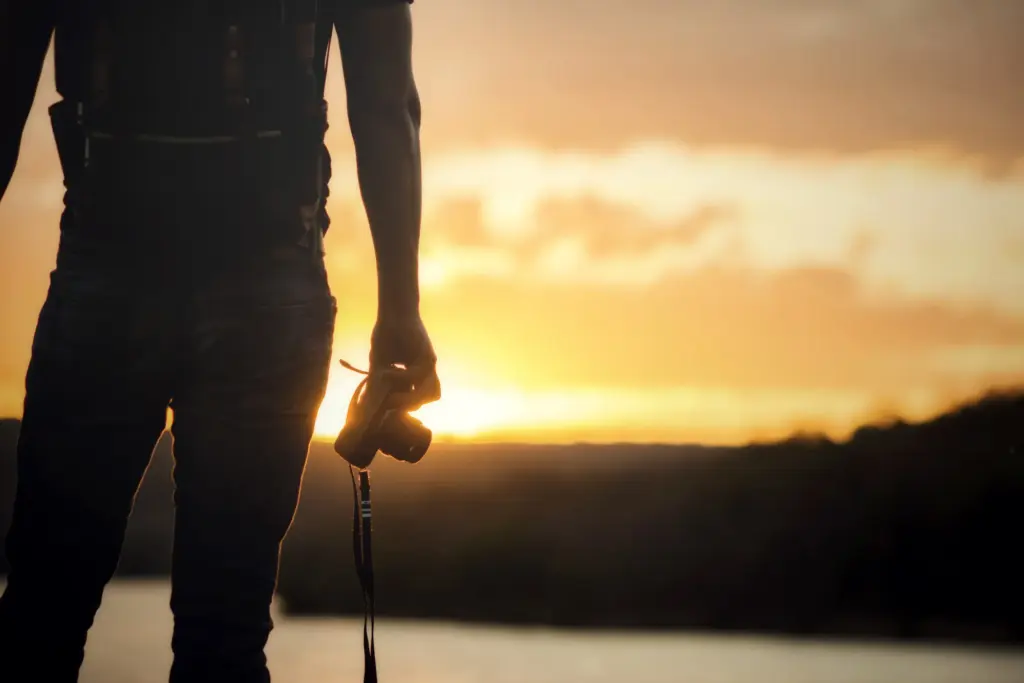
Success begins the night before, when headlamps are checked, batteries warmed, routes pinned, and layers staged by the door. Highland Ridge punishes hesitation at 4 a.m., so organize snacks, water, gloves, and filters, then sleep early. With a ready kit and calm mind, dawn greets you prepared instead of rushed.

Smart Packing, Light Feet

Trim every excess gram without sacrificing safety or stability. Choose a compact tripod, a fast wide-angle, one versatile telephoto, and a slim filter wallet. Wrap lenses in lightweight cloth, stash microfiber and a blower, and balance weight high and close to your spine for confident scrambles.

Forecasts and First Light Windows

Study cloud ceilings, wind direction, and humidity, then pair that knowledge with sun-path apps to anticipate color bursts. Thin high clouds often ignite; low heavy decks smother. Favor stable pressure, clean horizons, and post-frontal clarity. Build backup overlooks so shifting weather never steals your only composition.

Exposure Choices When Night Fades

Taming Contrast with Bracketing

Shoot thoughtful brackets when the sun kisses the horizon, locking aperture and ISO while varying shutter speed. Keep tripod steady, record a consistent sequence, and note EV intervals mentally. Later, blend selectively to protect textures in rocks, grasses, and sky, honoring the morning’s honest radiance.

Apertures for Depth and Sparkle

Choose mid apertures around f/8 to f/11 for sweeping sharpness, nudging narrower only when starbursts enhance the moment. Mind diffraction on high-resolution sensors. Focus a third into the scene or use focus stacking carefully, ensuring wind-blown alpine grasses do not ghost between frames.

ISO Discipline at First Light

Keep ISO as low as conditions allow to preserve delicate gradients and shadow detail. If hikers move through your frame, prioritize shutter speed first, then gracefully accept incremental ISO. Noise cleans easier than blur, and pre-dawn quiet rewards patience, timing, and considered, minimal adjustments.
Foreground Anchors with Texture

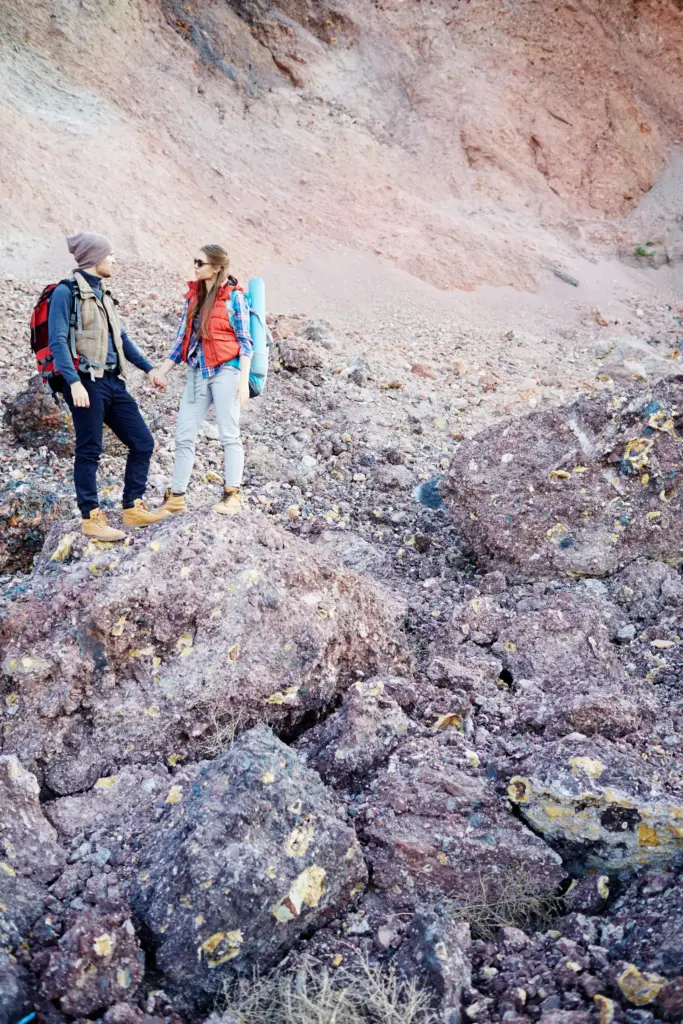
Kneel beside tufted grasses, granite lichen, or frost-laced heather and let their textures catch first light while peaks glow beyond. Low angles expand scale. Keep edges clean, watch for intersecting lines, and give foregrounds room so they invite viewers to step quietly into the frame.

Layering Peaks for Depth

Seek diagonals where receding ridgelines stack like paper cutouts, each separated by atmosphere. Side light paints contours; backlight flattens but can glow. Wait for valley mist to reveal separations, and align curves that echo. Depth emerges when patience, altitude, and perspective collaborate instead of competing.

Minimalism When Sky Dominates

Sometimes the spectacle is all overhead. Embrace simplicity: a clean ridge silhouette, a whisper of grass, and towering color. Compose lower, protect gradients, and resist clutter. Let emotion breathe so viewers remember cool air, thumping hearts, and the hush before sun breaks free.

Tripods That Travel

Choose carbon legs with twist locks, a compact ball head, and spikes for frozen ground. Extend the thickest sections first for stability, hang a bag carefully if winds rise, and practice leveling blindfolded at home so muscle memory rescues precious dawn seconds.

Filters with Purpose

A slim circular polarizer tames glare on alpine ponds and enriches color; a soft-edge graduated neutral density controls bright horizons without harsh transitions. Keep them spotless, rotate deliberately, and remember: filters refine intent, they never replace attentive metering, careful timing, or thoughtful, grounded storytelling.

Cold, Moisture, and Power

Mountain mornings drain batteries quickly and fog optics at the worst moment. Keep spares warm in inner pockets, use lens hoods, and cap between setups. Avoid rapid temperature jumps, and dry gear later with patience. Prepared care keeps creative attention on light, not catastrophes.

Navigating Safely in Pre-Dawn

Use red-light headlamps to protect night vision, speak clearly with partners, and call out obstacles. Trekking poles help on loose shale. Confirm bearings at each junction, respect your turnaround time, and keep energy for descent. Safety preserves creative bandwidth and the joy of returning tomorrow.

Respecting Fragile Alpine Life

Alpine meadows recover slowly. Step on rock, snow, or trail whenever possible, and resist shortcut desires. Keep group sizes considerate and voices low while dawn birds begin their songs. Your images carry deeper meaning when made as a respectful guest rather than a demanding owner.

Sharing Space with Wildlife

Give animals room to travel and feed, keeping lenses long and bodies distant. Avoid calling, baiting, or approaching nests. If behavior changes, you are too close. Quiet presence invites authentic moments and protects future visits, ensuring dawn belongs fully to those who live there.

Timing, Weather, and the Story You Tell

Great mornings often look unpromising at trailhead check-ins. Commit anyway. Arrive early enough to scout silhouettes, stay late enough to catch sidelight, and keep options open when clouds tease. Your narrative gains strength when you interpret surprises rather than forcing yesterday’s expectations onto today’s fleeting light.

Arrive Early, Stay After

Blue hour gifts quiet shapes and room to breathe. Use that time to refine compositions, dial exposure, and settle nerves. After sunrise, linger for sidelight carving ridges and warm highlights kissing grasses. Many favorite frames happen when most hikers are already turning homeward.

Weather as a Collaborator

Mist, wind, and thin cloud bands give character you cannot invent. Protect gear, yes, but welcome change. When squalls part, color intensifies; when fog lifts, shapes emerge. Treat weather like a creative partner and adjust rhythm so resilience replaces frustration and opens unexpected possibilities.

Color and Contrast with Restraint

Warmth tempts heavy hands at sunrise. Instead, nudge white balance until grasses feel alive and granite stays honest. Lift shadows only enough to breathe, preserve highlights carefully, and mask gradients to respect the sky’s natural roll-off. Gentle decisions keep viewers inside the experience.

Cleaning Without Sterilizing

Remove sensor spots, stray flare blobs, and obvious distractions, but keep honest imperfections that preserve mood. Feathery grass tips, faint mist streaks, and distant hikers belong. Over-polishing erases memory. Edit with the field’s scents and sounds replaying, and let small realities strengthen believability.
Sanotunodaxi
Privacy Overview

This website uses cookies so that we can provide you with the best user experience possible. Cookie information is stored in your browser and performs functions such as recognising you when you return to our website and helping our team to understand which sections of the website you find most interesting and useful.