Edge of Daylight on Highland Ridge

Dawn wildlife watching on Highland Ridge Trails invites you into the soft hush where wind, grass, and wings meet the first spill of gold. Arrive early, feel the cool ground breathe, and let your senses tune to silhouettes, distant calls, and fresh tracks. Here, subtle movements tell entire stories, and patience becomes a skill you can feel in your pulse. We’ll guide your preparation, awareness, photography, and ethics so each sunrise becomes a respectful, unforgettable encounter with a waking landscape.

Preparing Before First Light

Reading the Ridge: Weather, Wind, and Light

A clear predawn sky often promises explosive color but also sharper temperature swings, while thin, high clouds can soften light beautifully for observing shy movement. Check wind direction to position yourself downwind from likely game trails, minimizing scent and noise. Use civil, nautical, and astronomical twilight times to anticipate visibility changes along exposed spurs or shaded hollows. A simple pocket barometer can hint at shifting pressure, and a printed map protects your plan when batteries fade in the cold.

Quiet Footsteps: Gear That Makes You Nearly Invisible

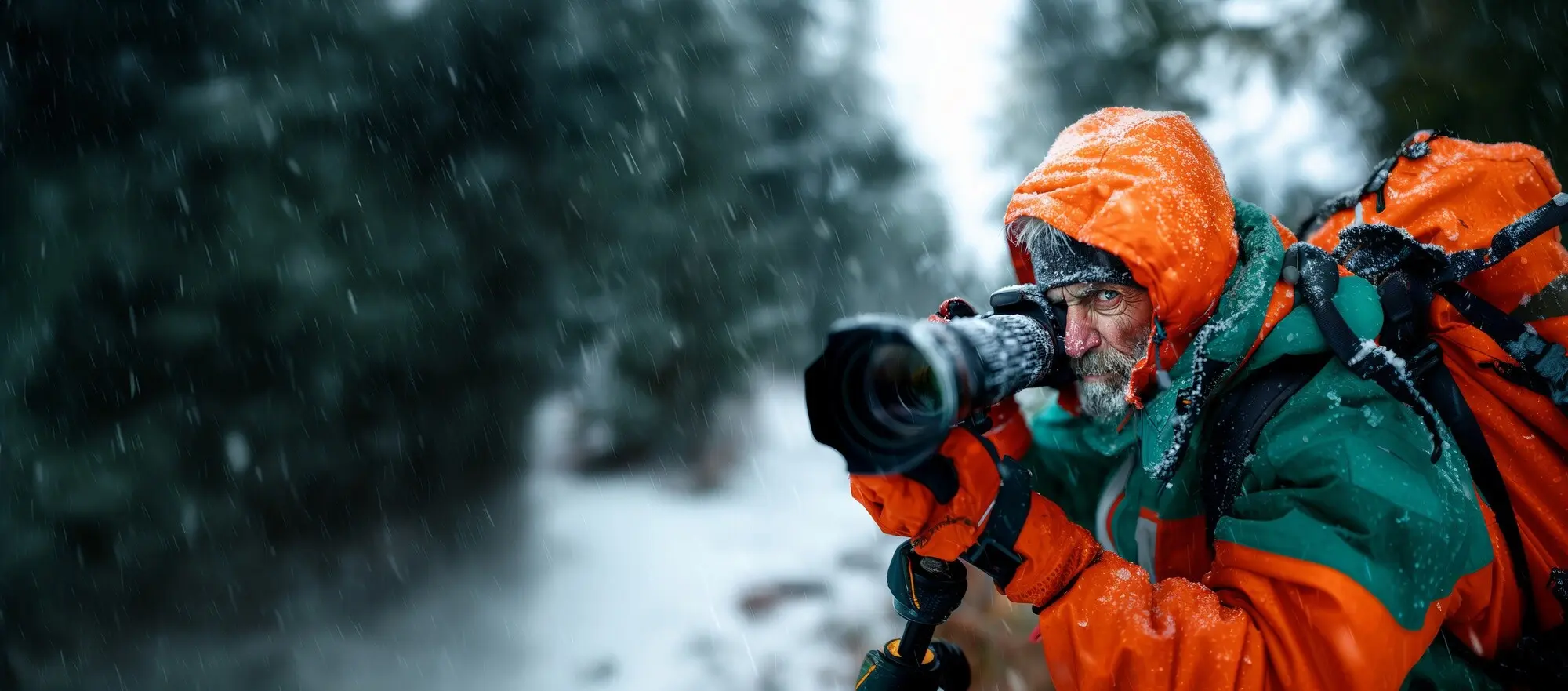
Soft-soled boots, wool layers, and a pack without jangling clips help your presence melt into the morning. Choose fabrics that don’t swish, wrap tripod legs to avoid metallic taps, and tape loose zipper pulls. Neutral earth tones matter more than camouflage if your movement is slow and deliberate. Keep snacks pre-opened, lens cloths accessible, and water in a strawed flask to prevent cap squeaks. Every spared sound lengthens the moments when a deer’s ear stays relaxed and a thrush keeps singing.

Safety and Ethics at Daybreak

Low light hides roots, rocks, and startled animals, so move carefully and give generous space. Follow local regulations, leash rules, and seasonal closures designed to protect nesting or calving. Practice leave-no-trace beyond litter: avoid playback calls, skip baiting, and let animals dictate viewing duration. Log your route, tell someone your return time, and carry a compact first-aid kit. Remember, dawn is when energy budgets are tight for wildlife; your patience and restraint become their protection and your greatest reward.

Birdlife Rising with the Sun

As the ridge blushes, songbirds test the air with first notes, raptors ride newborn thermals, and grouse rustle among dew-lit grasses. Listen before you look; many identities arrive as rhythm, pitch, and pause long before silhouettes sharpen. Expect fleeting angles and layered soundscapes that shift with each slope and stand of brush. Field marks appear slowly; practice noticing posture, tail flicks, and flight cadence. The more quietly you stand, the more a chorus forms a map around your steady breath.

Mammals on the Move

Tracks, Scat, and Subtle Signs Along the Switchbacks

Look for tiny cleft prints cutting through damp duff, nibbled grass tips aligned like tidy arrows, and delicate hair snags on wire or bark. Scat offers stories: berries versus fur, fresh sheen versus crusted age. Follow compressed grass where herds paused, and note how trails funnel into saddles before dropping into bowls. Resist trailing directly; step aside, let patterns resolve, and chart likely crossings on your map. Reading signs turns chance into informed patience, and patience opens remarkable doors.

Respecting Space: The Art of the Long Lens

Distance preserves natural behavior and yields richer images. A long lens paired with silent shooting, image stabilization, and practiced breath control can capture tender grooming or cautious foraging without stress. Use cover thoughtfully and avoid cutting off exit paths. Watch ear angles, tail swishes, and weight shifts for early discomfort cues. If an animal changes behavior because of you, you are too close. Leave with dignity, and gain something rarer than a portrait: authentic rhythms continuing after you pass.

Anecdote: The Fox That Stood in the Gold

One windless morning, frost stitched silver into the grass as a fox stepped from shadow onto a pale ribbon of light. It paused, eyes counting the valley, then tipped its head as meadowlarks rehearsed. I never lifted my camera, fearing the click would fracture the stillness. The moment folded into memory, fuller than any file could hold. Sometimes restraint is the truest photograph, and the ridge rewards quiet witnesses with scenes only hush can keep intact.

Photographing First Light

Soft predawn gradients demand sensitivity to exposure and movement. You balance slow shutters against restless wings, open apertures to paint backgrounds, and ride rising ISO without drowning texture. Composition thrives on layers: grass blades that glow, a mid-distance perch, and a sky that changes by the heartbeat. Think of ethics as part of your toolkit; the gentlest images come from invisible presence. Build a routine that lets you react without rushing, because dawn refuses to wait or repeat herself.

Settings That Savor Soft Light Without Losing Motion

Begin with aperture priority wide open, nudging exposure compensation to protect highlights when the horizon erupts. Use auto ISO with a sensible ceiling, and set a minimum shutter to hold sharpness on perches while accepting poetic blur on wings. Enable back-button focus to track calmly, and consider silent electronic shutters where safe. A small beanbag on a rock can outrun a tripod for speed. Review histograms occasionally, not obsessively, keeping your attention anchored in the living scene.
Compositions That Breathe: Foreground, Midground, Sky

Let dew-lit stalks lead toward your subject, using diagonals to echo slope lines. Leave room for the direction of gaze or flight; space carries mood. Embrace negative space when fog flattens detail, and hunt for frames within frames, like branches curving around an elk’s profile. Horizon placement can whisper calm or urgency; experiment as color accelerates. Remember, compelling images feel lived-in, not staged, and the ridge lends countless chances if you settle your stance and truly look.

Shooting Without Disturbing a Single Feather

Silence begins at home: disable focus beeps, wrap straps, pre-set dials, and learn them blindfolded. Approach obliquely, pausing to read reactions rather than pushing a line. Favor natural blinds—boulders, logs, brush—over fabricated hides that might alter patterns. If song pauses or heads lift too often, retreat and reassess. Share vantage points responsibly, never broadcasting nesting sites. The best photographs respect tomorrow’s chorus as much as today’s light, ensuring your presence leaves nothing behind but footprints that wind erases.

Trail Stories and Local Lore

The Ridge Runner’s Lantern: A Passed-Down Morning Ritual

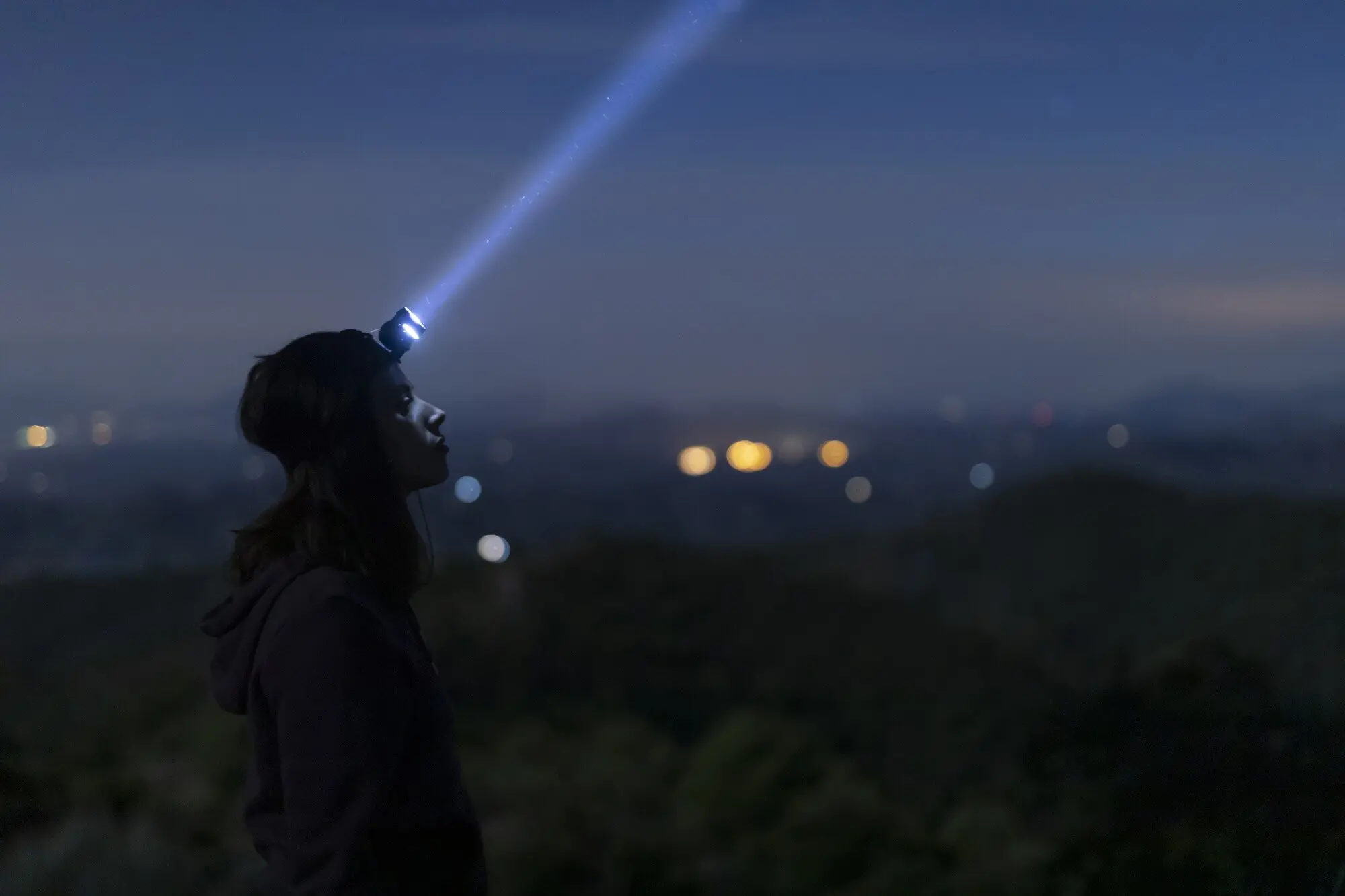
A retired trail steward taught me to cup a hand over a red light before stepping into meadow edges, like lowering a lantern wick. The gesture slows you down, signals care to companions, and resets attention on sound. He’d breathe three times facing east, count to thirty, then move. Simple rituals train patience and temper excitement, so your first choices on the trail are graceful ones. Adopt a ritual, personalize it, and let it anchor every early start you cherish.

When Fog Becomes a Teacher

On certain mornings the ridge erases distance, offering only nearby textures and muffled calls. Instead of leaving, lean into shape, moisture, and pace. Fog reveals how animals prefer edges, hugging shrubs and tree lines, and how droplets bead on whiskers, wings, and wire. Photographs become tonal studies, and notes focus on behavior rather than field marks. Accepting limited visibility can sharpen observation, reminding you that mystery is not a barrier to learning but a companion worth welcoming.

Community Wisdom: What Volunteers Share After Sunrise

At the trailhead, steaming mugs circle as people trade sightings, timings, and cautions. One person maps a kestrel’s favorite snag; another flags a muddy switchback where elk slowed before crossing. These conversations refine future choices, spread awareness about closures, and knit safety nets for newcomers. Bring your notes, ask curious questions, and listen more than you speak. Collective memory turns scattered moments into guidance, keeping Highland Ridge generous, resilient, and ready for the next gentle set of footsteps.

Plan Your Own Dawn Watching Walk

A Simple Checklist You Can Trust at Zero-Dark-Thirty

Lay out layers, hat, gloves, and socks; pre-open snacks; charge batteries; clear memory cards; mark sunrise and twilight times; save offline maps; pack a small first aid kit; confirm permits; note closures; and leave your route plan. Add an index card with emergency contacts and intentions to minimize phone fiddling. Every small preparation buffers your focus and quiets nerves, so the ridge receives you ready—unrushed, attentive, and capable of adapting gracefully when weather, wildlife, or light rewrites your script.

Tell Us What You Saw: Prompts for Memorable Field Reports

After your walk, jot three behaviors, two sounds, one scent, and a single surprise. Note wind direction, cloud type, and where light first broke. Share a sketch or a few careful lines describing movement rather than rarity. Ask for feedback, offer encouragement, and be generous with context so others can learn without endangering sensitive spots. Your words can guide someone’s first respectful encounter, extending the morning’s goodness long after the thermos empties and the ridge returns to its measured breathing.

Join the Dawn Circle: Stay Connected and Keep Learning

Subscribe for seasonal alerts, sunrise meetups, and field classes that emphasize empathy alongside technique. Comment with your questions, contribute notes to collaborative logs, and volunteer for habitat workdays that return care to the places gifting these mornings. Invite a friend to begin gently, starting with a single overlook and a promise to move slowly. Connection sustains curiosity, and curiosity protects Highland Ridge. Together we can keep the early hours open, generous, and alive with wings, whispers, and warm shared stories.
Sanotunodaxi
Privacy Overview

This website uses cookies so that we can provide you with the best user experience possible. Cookie information is stored in your browser and performs functions such as recognising you when you return to our website and helping our team to understand which sections of the website you find most interesting and useful.