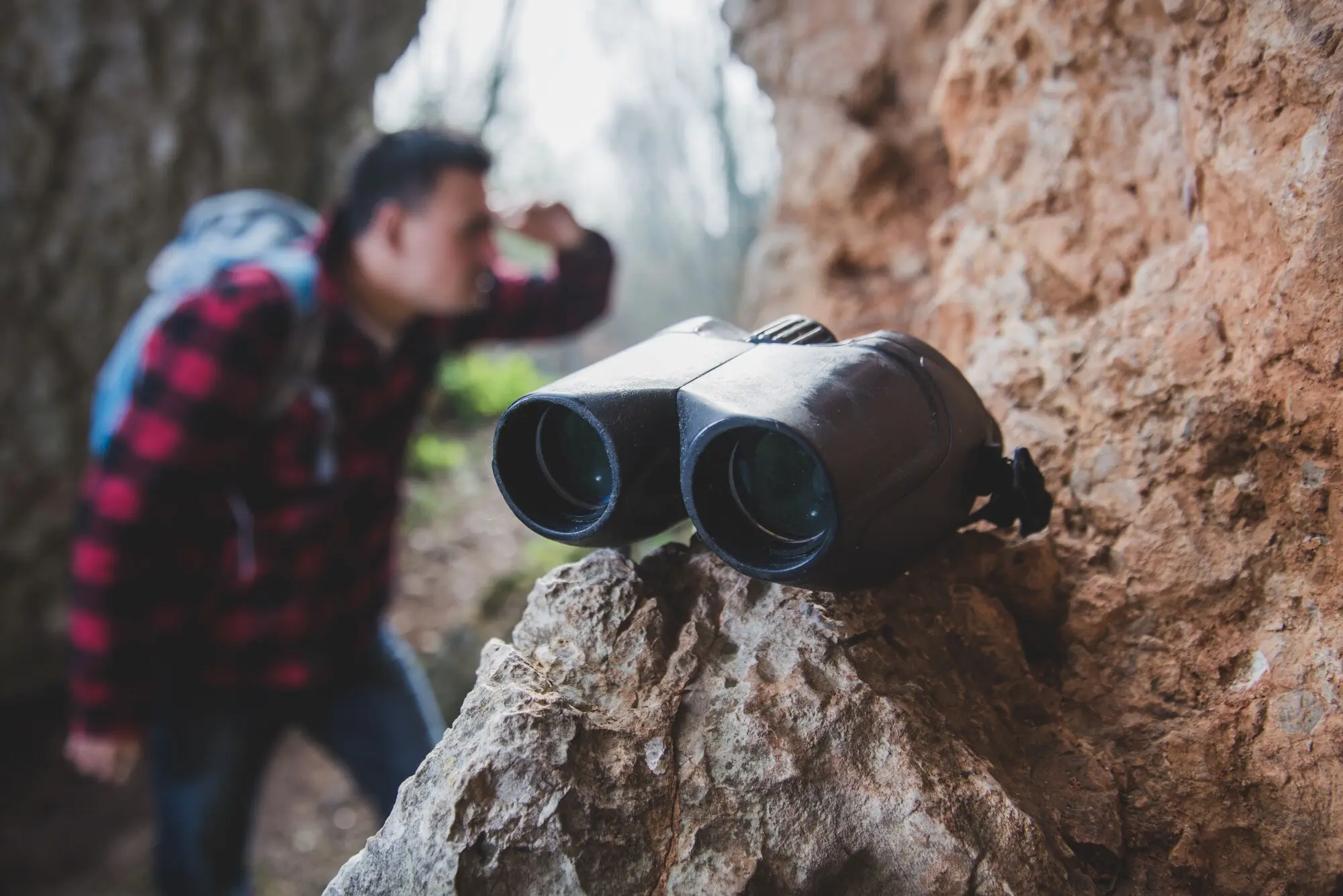
First Light on the Ridge: Gear That Wins the Wind
Layers That Outpace the Wind
Base to Face: Building a Breathable Core
Shells and Hoods: The Mobile Wind Wall
Hands, Neck, and Ears: Small Areas, Big Heat Loss
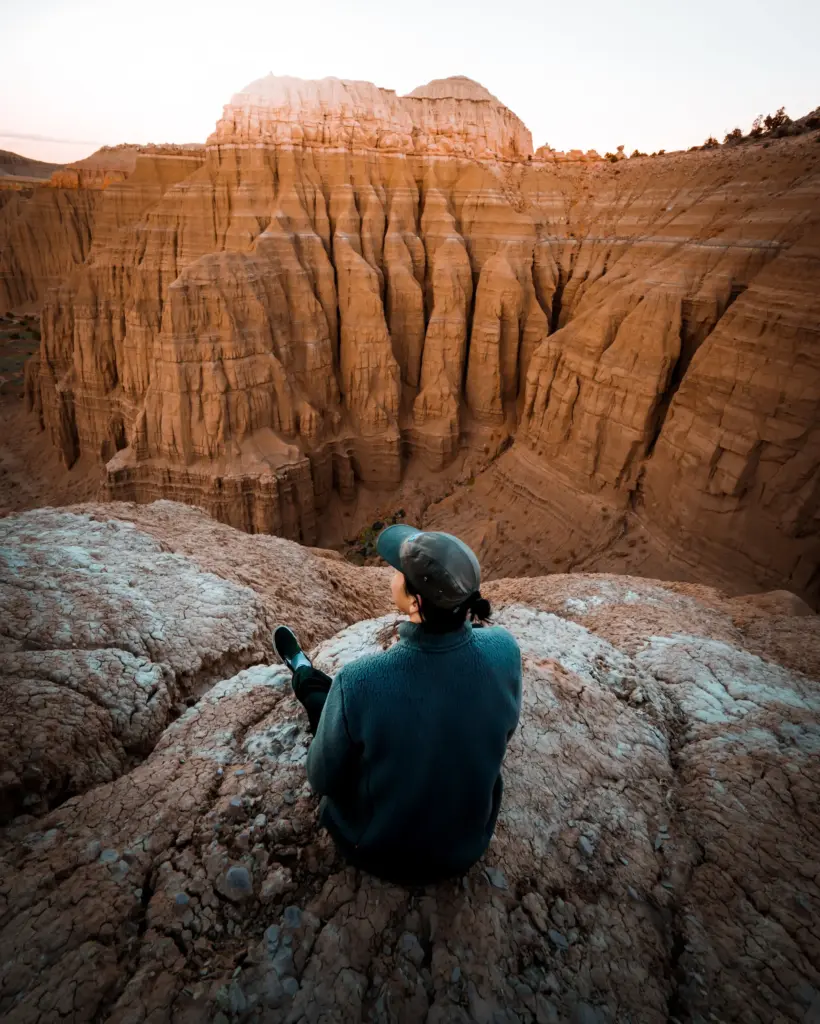
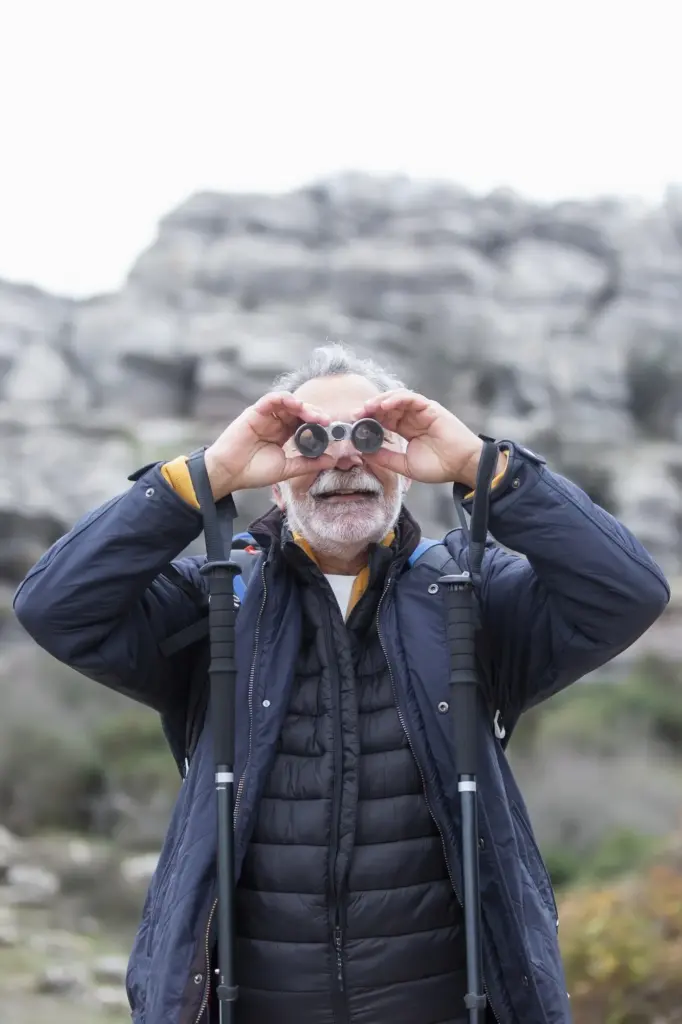
Navigation and Light Before the Ridge Awakens
Footing, Poles, and Traction on Exposed Edges
Boots, Socks, and Gaiters That Refuse Wet
Pair midweight wool socks with thin liners to cut friction, then choose boots with ankle support that still flex naturally. Test fit with your chosen insoles and morning swelling. Knee-high gaiters stop spindrift and heather seeds, keeping laces clean and stride confidence quietly intact.
Poles as Third and Fourth Legs
Poles reduce knee load, widen your base, and give rhythm to steep dawn pushes. Fit straps correctly so wrists, not fingers, bear the work. Shorten for climbs, lengthen on traverses, and plant deliberately when gusts surge, converting chaos into four-point stability and calm.
Microspikes and Minimal Traction Insurance
Thin ice on shaded rock surprises early risers. Ultralight microspikes ride unnoticed until needed, then bite enough to cross verglas without drama. Keep them accessible, know how to fit with gloves, and inspect chains regularly so a broken link never ends the morning.
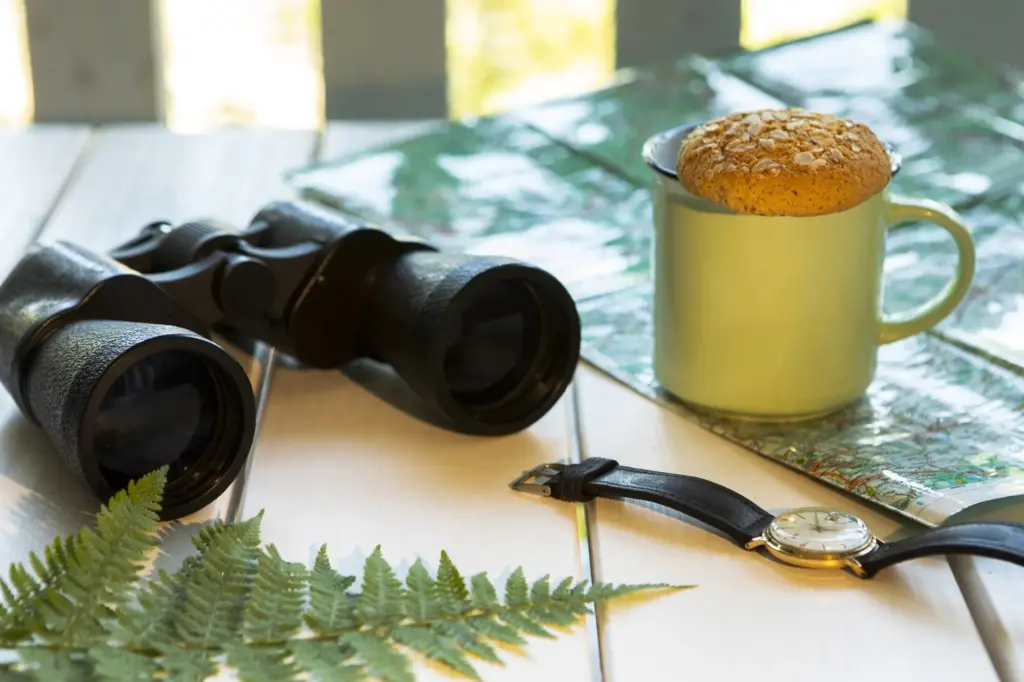
Warm Drinks, Steady Water, and Wind-Smart Breaks
Insulated Bottles and Frozen-Lid Prevention
Fill bottles with hot water before leaving the car, invert them in pack pockets, and wrap with spare socks to prevent frozen lids. Wide-mouth designs collect less ice. Avoid bladders in freezing wind; a rigid bottle you can thump open is priceless at dawn.
Stoves, Windscreens, and the Quick Boil
A tiny stove changes everything on a cut-through gusty saddle. Use a stable base, short pot, and solid windscreen, and pre-measure fuel. Ten minutes of steam becomes morale, warmth, and shared laughter. Keep gloves on, pour slowly, and savor heat spreading to stubborn fingers.
Electrolytes and Energy Timing at Dawn
Electrolytes curb early cramps when layers trap sweat and breezes evaporate clues. Mix a lightly flavored blend that encourages steady sipping. Pair with quick sugars and a little fat, eating small amounts often, so energy peaks smoothly instead of surging, crashing, and testing judgment.
Emergency Layers, Shelter, and Signaling Confidence
Packing Tight, Access Fast, Nothing Flaps
Weight Balance for Gusts and Scrambles
Stability begins with weight mid-back and high enough to avoid hip sag. Heavy water and dense food go close to the center, not the lid. Tighten load lifters before exposed traverses. A balanced pack reduces stumble risk when gusts pounce from surprising, shifting angles.
Compression, Lash Points, and Quiet Gear
Use dry bags as compartments, compress soft layers, and leash anything mounted outside with short straps. Tape or trim fluttering ends. Trekking poles, spikes, and windscreen should each have a fixed home. Quiet gear rattles less, reveals issues sooner, and wastes neither energy nor attention.
Quick-Grab Pockets for Cold Fingers
Place headlamp, mitts, map, and snacks in hip or chest pockets you can open with gloves. Practice the sequence at your door at five a.m. Fewer stops mean less cooling and steadier pace, which protects judgment when the wind begs reckless shortcuts.
All Rights Reserved.