Before Sunrise on Highland Ridge: Safe Steps, Sure Bearings
Set out with confidence as we focus on pre-dawn safety and navigation for Highland Ridge hikes, blending practical preparation, reliable wayfinding techniques, and real trail wisdom. Expect actionable checklists, stories from early hours on exposed ridgelines, and supportive guidance that strengthens judgment in low light. Share your sunrise targets, GPX tracks, and questions, and help us build a community of early risers who move quietly, read the land clearly, and arrive at first light ready for awe instead of uncertainty.
Planning Before the Headlamp Clicks On
Strong outcomes begin the night before, when calm planning removes guesswork from those first cold steps. Study the route, sunrise times, and wind forecasts; set alarms backward from civil twilight; and confirm exit options. Build contingency buffers, decide clear turnaround times, and leave word with someone dependable. Thoughtful preparation transforms the ridge’s darkness from something intimidating into a space where your decisions already feel familiar, rehearsed, and kind to your future self if surprises appear.
Navigation You Can Trust When Shadows Hide the Land
Map and Compass Mastery in Dim Light
Practice orienting the map in your living room with gloves on, then again in a breeze where pages try to fly. Dial bearings to handrails like drainages and ridgeline spurs. Confirm slope aspect so you anticipate icy patches and leeward deposits. Keep the compass lanyard accessible without fumbling. In the dark, small efficiencies matter more, and a single precise bearing can save twenty anxious minutes wandering near a false cairn while the sky lightens just out of reach.
GPS, Track Logs, and Battery Strategy
Use GPS sparingly to confirm position rather than constantly leading your steps, preserving both battery and judgment. Download high-resolution offline maps with clear contour shading. Carry a warm power bank, route GPX, and backup devices if leading a group. Cold drains lithium cells quickly; insulate electronics near your base layers. Log waypoints at junctions and notable trees. The aim is confidence, not dependence: your tools validate the plan you already trust, even when starlight softens every boundary.
Landmarking and Human Breadcrumbs
Create a chain of unmistakable cues: a wind-sculpted snag, a boulder split like a book, a saddle that feels narrower than it looks on maps. Speak landmarks aloud so partners anchor the memory together. Leave tiny, reversible breadcrumbs only when necessary, prioritizing minimal impact. Mark mental distances between cues. When a crosswind hums and silence grows heavy, that shared language of shapes, textures, and angles keeps the team aligned, steady, and ready for first color on the eastern clouds.
Light That Protects Night Vision and Reveals Hazards
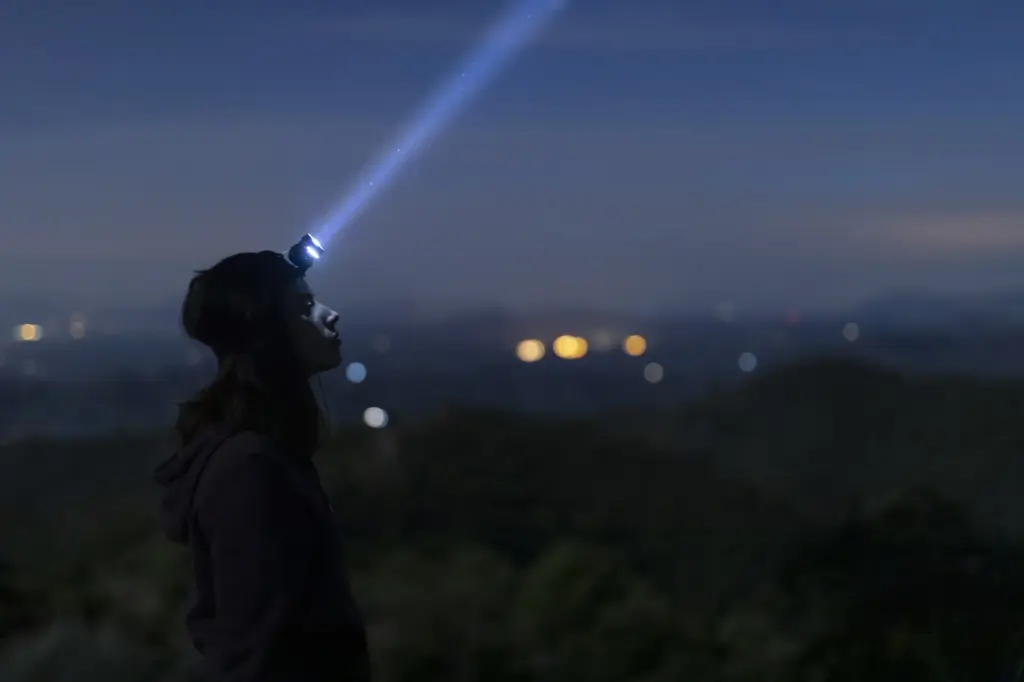
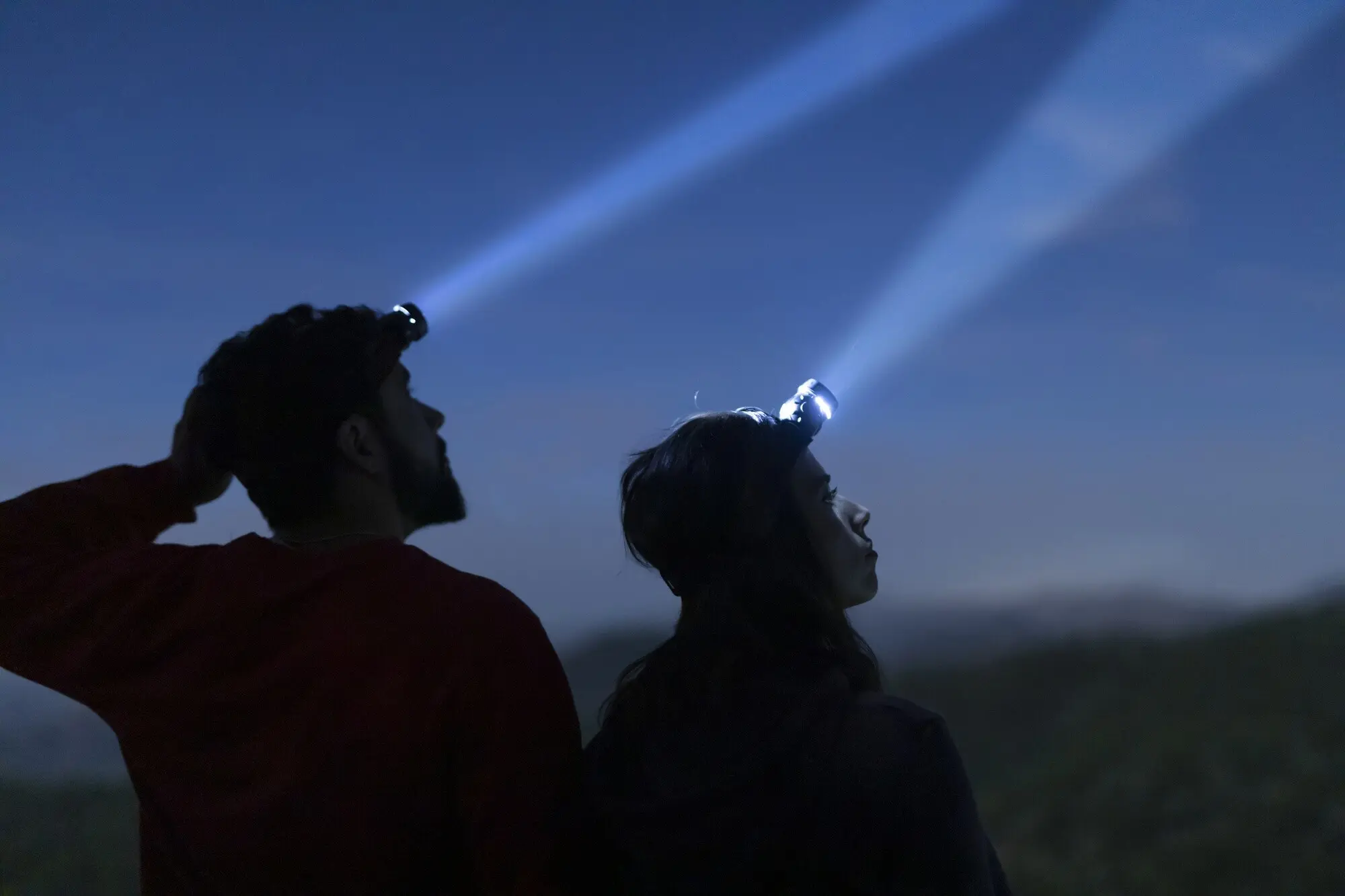
Your headlamp is not just bright; it is intentional. Choose beams that balance throw for spotting cairns with flood for ankle-saving detail. Red light preserves night vision and spares wildlife; angled beams avoid blinding partners. Carry fresh primaries and backups warmed near your core. Treat light as communication, navigation, and safety combined. When frost glitters and loose talus waits, thoughtful illumination turns mystery into readable texture, guiding your steps without erasing the magic of the approaching dawn.
Traction and Terrain Tactics
Pre-fit microspikes at home so straps behave with cold fingers. Use poles to test depth on crusted patches and to brace across tilted slabs. Shorten stride on scree; place feet flat on slabby sections; avoid launching steps you cannot reverse. Anticipate rock movement and commit weight gradually. Consider thin liner gloves for dexterity with buckles. Balance builds from small, repeatable habits that make each step trustworthy, even when the ground looks uniform beneath a gentle, unhelpful shimmer of frost.
Microclimates, Inversions, and Layering
Expect temperature swings between gullies and exposed crests. An inversion can chill lungs on ascents, then warm unexpectedly near a shoulder. Use a wicking base, active insulating mid-layer, and windproof shell you can adjust without removing your pack. Stow a thin beanie and neck gaiter for quick comfort shifts. Avoid sweating early; damp layers invite trouble when wind rises. Track wind direction against route segments so you rest behind natural breaks instead of on punishing, energy-sapping corners.
Fuel, Pace, and Mindset for Early Starts
Energy management begins at bedtime and continues through the first ridge pull. A small carbohydrate-rich snack before stepping off, steady sips of water, and measured electrolytes keep clarity high. Pace by conversation—not ego—so navigation remains crisp. Embrace calm breathing that steadies hands when bearing lines and checking footing. Build micro-rewards into the morning: a warm drink at the first saddle, a photo near a lone spruce. Share your rituals in the comments so others refine their own pre-dawn rhythm.
Set out after seven to eight hours of sleep if possible, then layer caffeine intentionally, not impulsively. Eat familiar foods to avoid stomach surprises: a small oat bar, banana, and sips of warm tea. Pre-mix an electrolyte bottle to reduce fumbling in the dark. Keep a small treat handy for the morale boost after the steepest early pitch. These tiny decisions compound into steadier steps, clearer choices, and a body that feels genuinely invited rather than dragged into the cold morning.
Hold a conversational pace until the ridge widens, even if adrenaline pushes faster. Shorten stride, decrease vertical surges, and maintain continuous forward motion to avoid cooling sweats during stops. Use time checks at predetermined waypoints to validate progress without rushing. If you lead, glance back often and coach cadence, not speed. Protect brain space for navigation by keeping heart rate smooth and hands warm. Clarity on bearings and terrain beats shaving two minutes that later cost twenty in corrections.
Darkness can magnify sounds and doubts. Counter with simple anchors: count steps to a breath rhythm, name three reassuring facts, and review the next landmark aloud. Keep chatter supportive and observations specific. If anxiety spikes, pause for a warm sip and a reality check with the map. Confidence returns fastest when actions stay small and accurate. Share strategies with partners beforehand, building a culture where steady minds guide steady feet long before the sky offers its reassuring, silver-blue promise.
Emergency Readiness That Feels Natural
Preparation should feel like kindness to your future self, not pessimism. Pack a light trauma kit with gauze, tape, blister care, and a compact splint. Carry a whistle, reflective panel, and a fully charged phone in airplane mode alongside a locator beacon if available. Share your route, expected check-ins, and hard turnaround time. Practice making conservative calls early when conditions tilt. Readiness shrinks fear and expands freedom, letting Highland Ridge welcome you rather than test you beyond your margins.
Text a concise plan to a reliable contact: trailhead, route variant, party size, vehicle details, and check-in windows. Share a live location link if coverage exists, and an ETA to civil sunrise. On trail, log brief waypoints at key forks. If plans shift, communicate changes promptly. These habits lighten the mental load, reassure loved ones, and create a safety net that rarely needs to catch you precisely because it already steadies your steps with gentle, watchful accountability.
A compact kit saves outsized time. Include elastic wrap, blister patches, hemostatic gauze, and pain relief. Learn to improvise a wrist brace with a trekking pole and tape. Guard against hypothermia with a heat-reflective bivy and spare gloves. Practice quick assessments: airway, breathing, circulation, then mechanism of injury. In predawn chill, warmth is treatment. Build confidence through short drills with partners, so when scree rolls underfoot you respond smoothly, stabilize, and decide whether continuing still honors safe, thoughtful travel.
Define red lines before the first step: slabbing ice on critical ledges, winds above your limit, malfunctions in light or navigation, or a partner’s uneasy gut feeling. When a line is crossed, reverse course without debate. Turning back protects tomorrow’s possibilities and honors today’s wisdom. Share your decision in a calm debrief at the car, then adjust plans and training. Courage sometimes looks like patience, and Highland Ridge will still be there, ready to meet you under a kinder, glowing sky.
Stories from the Ridge: Lessons Before Sunrise
Experience crystallizes preparation into memory. On an October morning, Maya almost followed a faint goat path toward cliffs until her preplanned 230-degree bearing corrected the drift. Another dawn, a team paused to swap dying batteries, grateful for a warm spare pack. These moments teach quietly. Share your own early-hour wins and near-misses in the comments. Your voice might be the nudge that keeps another hiker steady, safe, and smiling when the world turns blue and the first alpenglow arrives.
A Near-Miss Redirected by a Bearing
Maya’s headlamp threw a convincing shadow line that mimicked the main trail. Because she had rehearsed the bearing from saddle to shoulder, a quick compass check snapped the group back on course before exposure increased. That tiny pause came from discipline, not luck. Write down your own critical bearings now, stash them in a pocket, and practice consulting them calmly, so similar moments feel like routine course-corrections rather than adrenaline-spiked scrambles to undo avoidable, sleep-fogged detours.
Warm Batteries, Warm Confidence
A partner’s lamp dimmed just as the ridge narrowed. Because spare cells lived inside a jacket, the swap was quick, fingers remained nimble, and the group advanced together without wobble or worry. Small systems prevent cascading problems. Keep your power bank cozy, test cables at home, and log a quick light check at the first break. Confidence rises when logistics behave, allowing more attention for the horizon’s first blush and the subtle textures underfoot that keep steps precise.
The Turnaround That Saved Tomorrow
Wind outpaced the forecast and frost glazed the slabs. The team reached their pre-set decision gate fifteen minutes late and visibility dropped. Without debate, they reversed course, warmed up below treeline, and returned the next weekend to flawless conditions. Success, reframed, felt even better. Share your own decisive moments and what criteria helped you choose well. Those practical details can become someone else’s script for clarity when the mountains whisper that patience, not push, earns the sunrise safely.
All Rights Reserved.